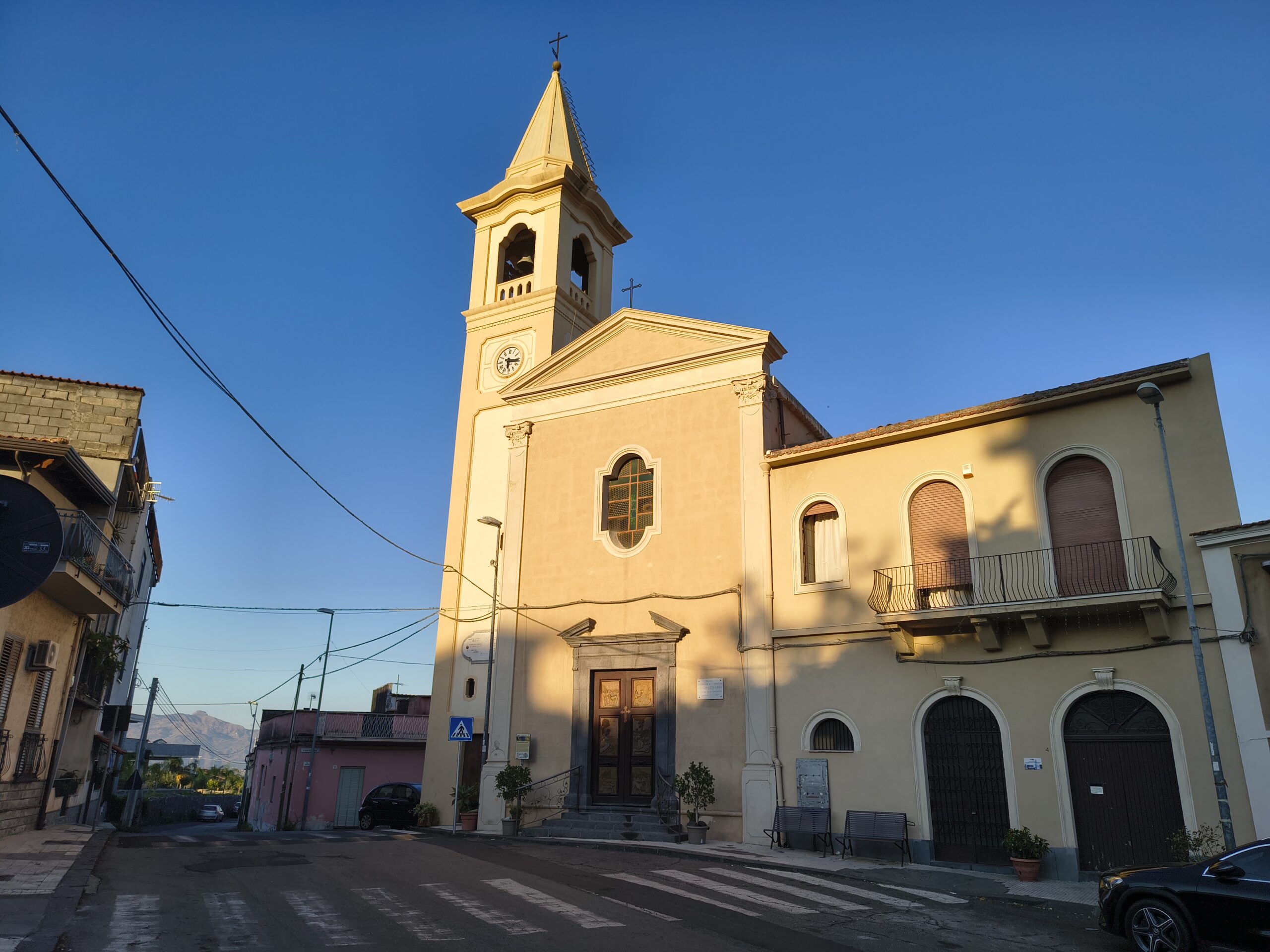
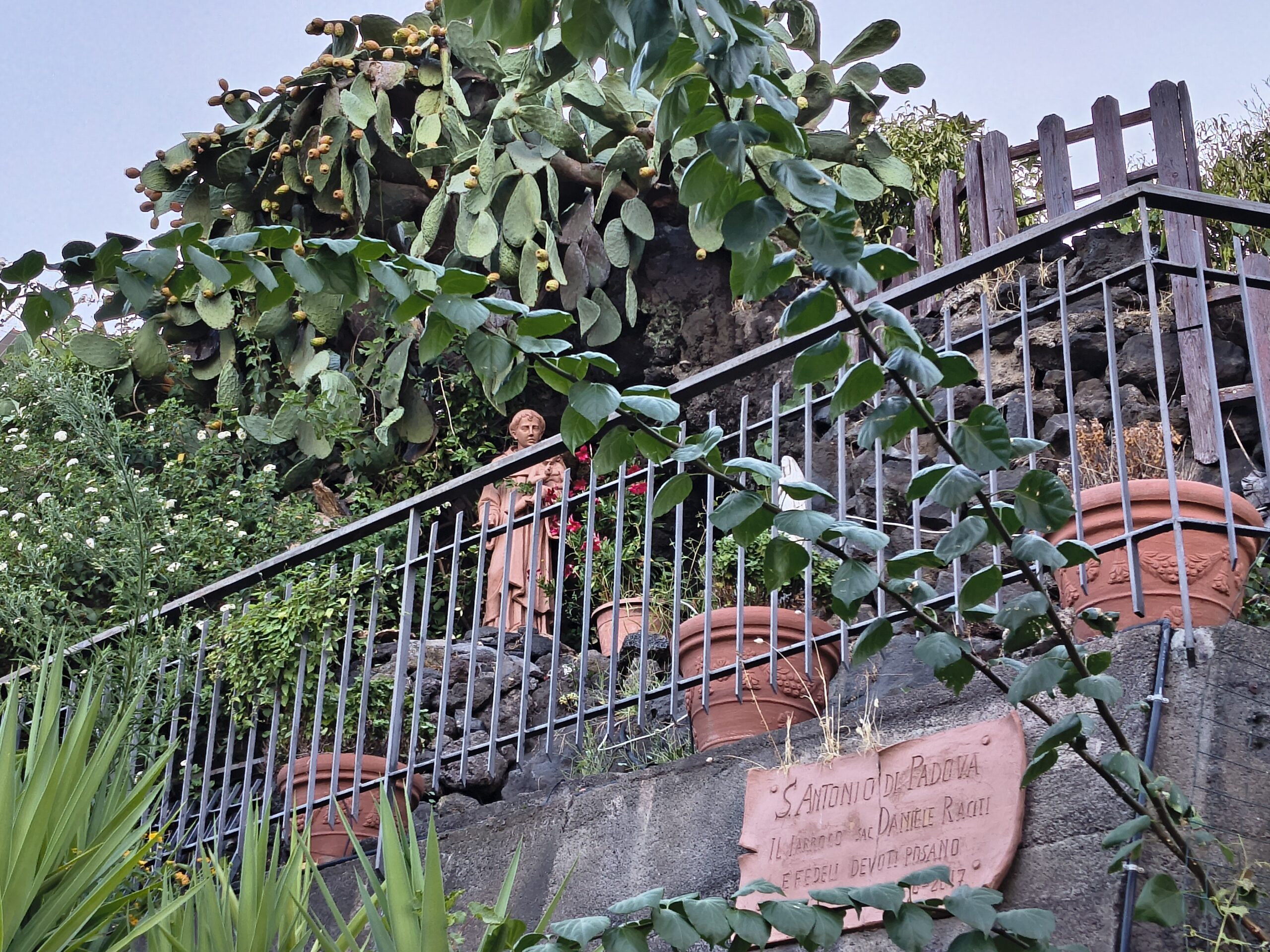
It is one of the hilly hamlets and is what remains of old Mascali, of which it was a peripheral district, spared by the lava of 1928, which destroyed the ancient settlement. There is no certain information regarding the formation of the ancient district of Sant’Antonino, but some elements of the urban fabric suggest that it dates back to the 16th and 17th centuries, such as the ‘baglio’ structure (enclosed courtyard) of the buildings, closed on the outside and with openings facing the inner courtyard, typical of the 1500s and 1600s. This type of building stood, in fact, in a dominant position from where it was possible to control the territory, and the ancient district of Sant’Antonino occupied a strategic position, being positioned to guard the entrances of the ancient city of Mascali.
The toponym Sant’Antonino is connected to the cult of Saint Anthony of Padua, about whose origin and diffusion in the area there is no certain information to date, but it likely dates back to the period between the second half of the sixteenth century and the first half of the seventeenth century.
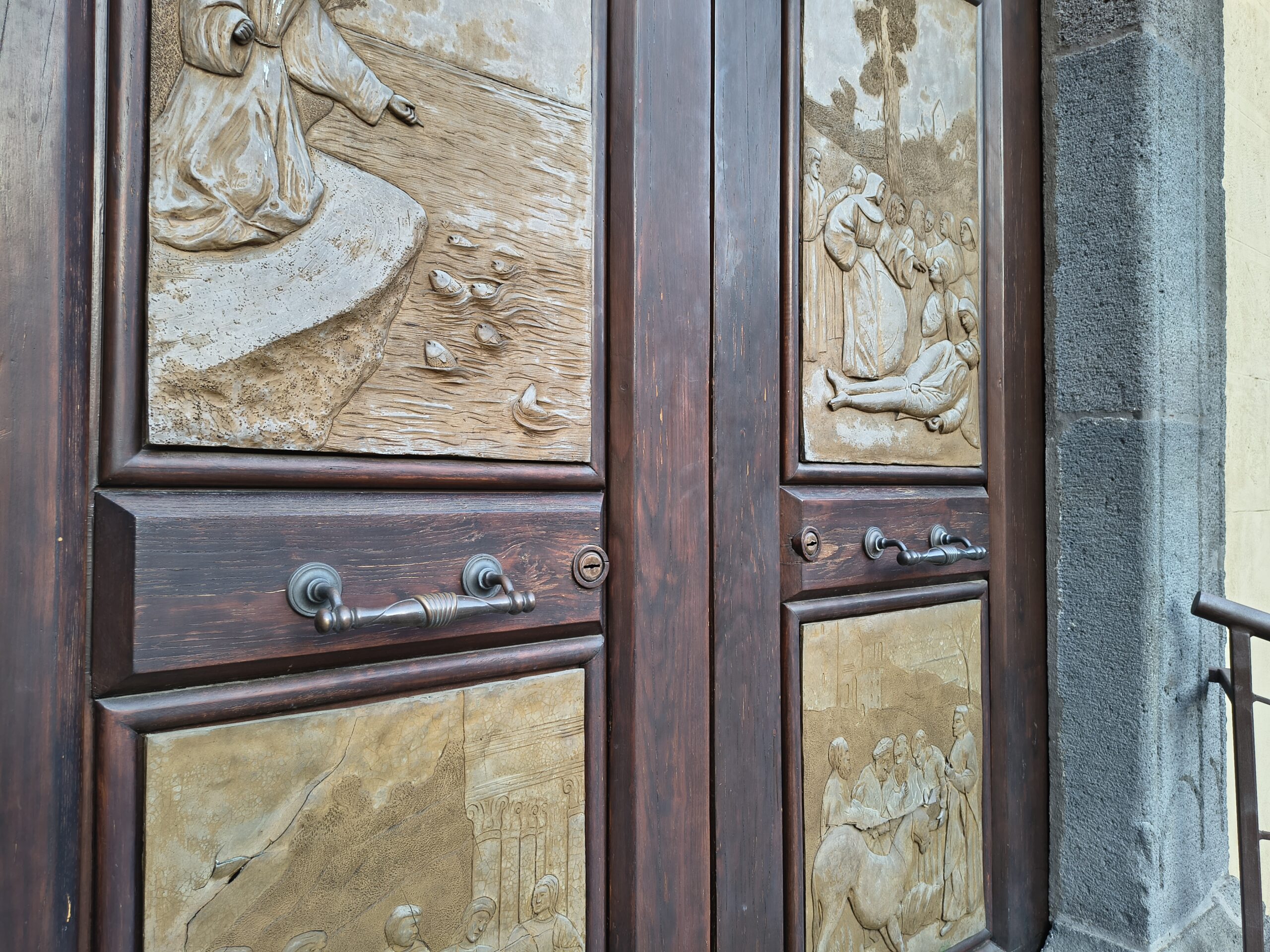
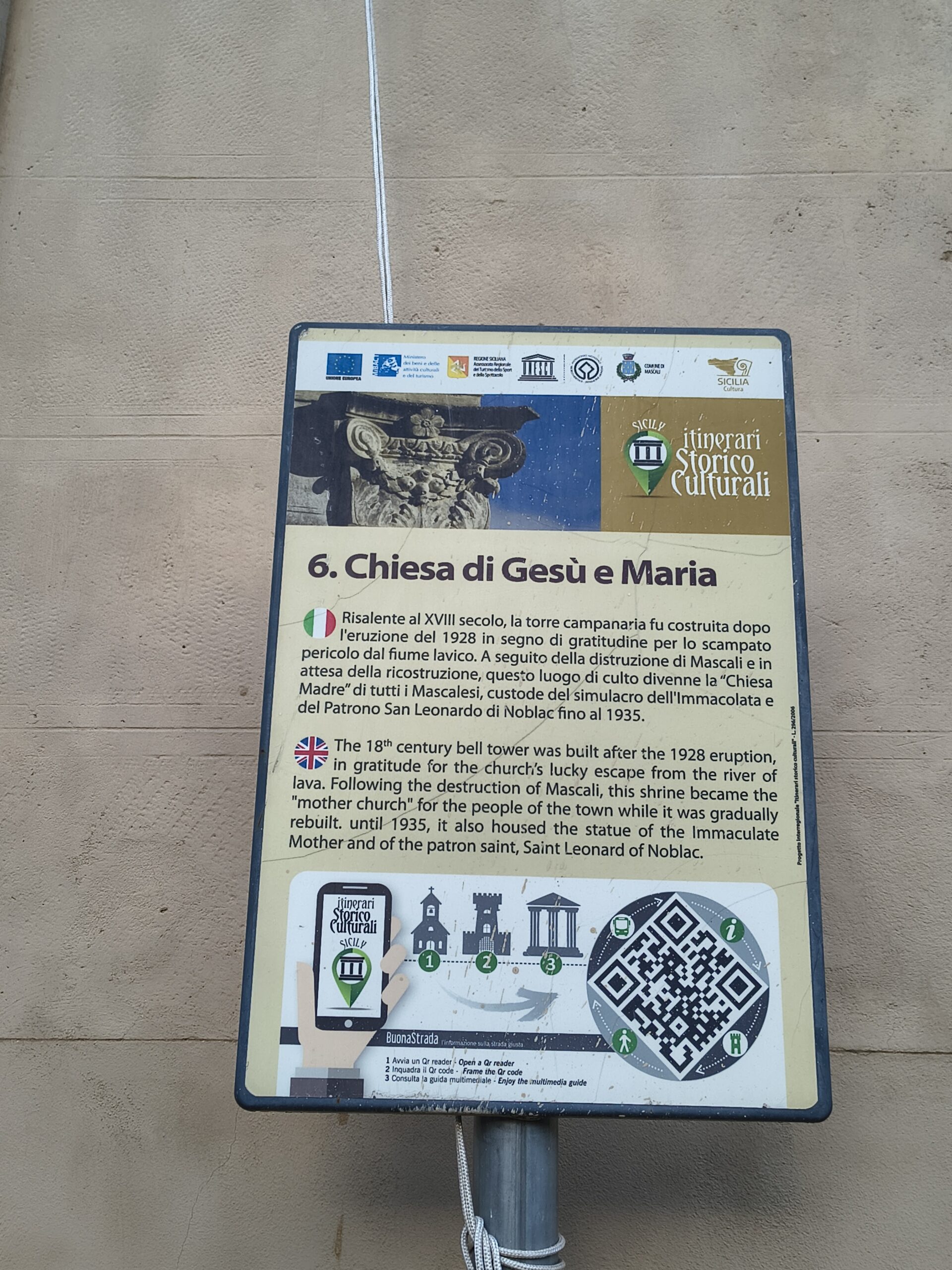
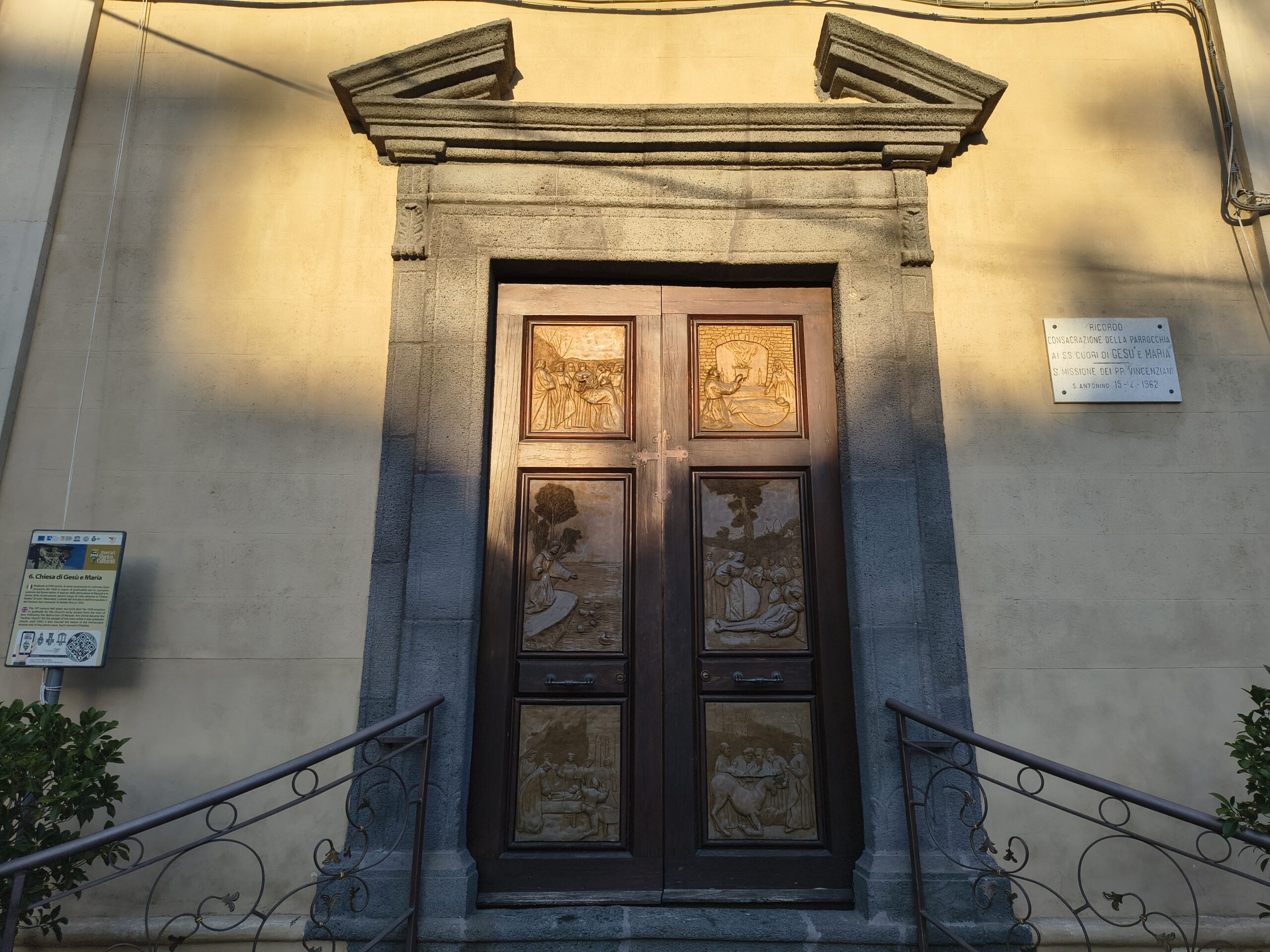
The surviving Church of Jesus and Mary (chiesa di Gesù e Maria) dates back to the second half of the 18th century, and its construction is due to the Continella family, the owners of the place. It features a valuable portal made of lava stone and a bell tower built after the eruption as a sign of gratitude for having escaped the danger of the eruption of Etna.