
Mascali, with 14,287 inhabitants and an extension of almost 38 km², from the sea to the mountains, is one of the most important municipalities in the north-eastern belt of the Metropolitan City of Catania.
The territory of the Municipality of Mascali is characterized by a great variety of climates, landscapes, and crops, and includes ten hamlets. From Fondachello and Sant’Anna by the sea, one moves to Carrabba, now joined to the center of Mascali; Sant’Antonino, what remains of ancient Mascali, Nunziata, Santa Venera, and Portosalvo are located at hilly altitudes, while the foothill hamlets of Puntalazzo and Montargano are true oases of peace and unspoiled nature. Finally, the hamlet of Tagliaborse is located within the territory of neighboring Giarre.
HISTORY The toponym Mascali appears for the first time in an epistle sent in 593 AD by Pope Gregory the Great to Secundinus, Bishop of Taormina, ordering the monks residing in the monastery of Sant’Andrea located “super Maschalas”, to erect an altar to replace a baptistery. The origin of the name seems to derive from the Byzantine Greek Μασχάλη (wooded, branchy), with a clear allusion to the thick and impenetrable forest that covered the eastern slope of Etna. With the arrival of the Normans in Sicily, the island was freed from Arab domination, and the territory of Mascali, which extended from the Ionian Sea to the summit of the volcano, was donated by King Roger II to the Bishop of Catania Maurizio with the title of baron.
In 1543, Bishop Nicola Maria Caracciolo, appointed Count of Mascali by Emperor Charles V, initiated the rapid transformation of the territory. The forest was replaced by lush vineyards, and the County of Mascali became one of the most flourishing economic and social realities in Sicily, thanks to the export of wine that reached the main European cities from the port of Riposto.
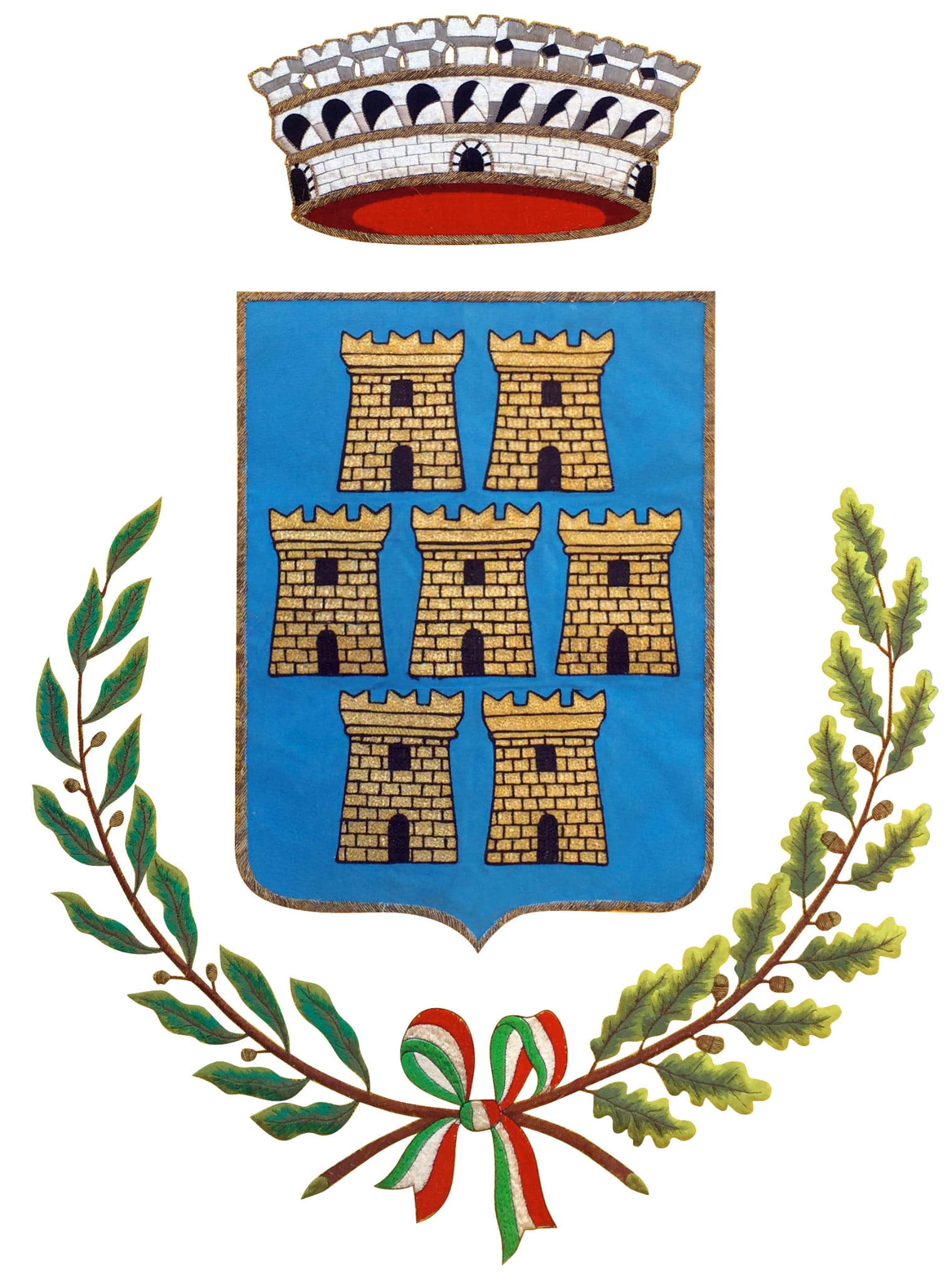
To protect the rich territory from the incursions of Turkish pirates, who in 1524 had managed to plunder the town and kidnap “about eighty people” (“circa octanta pirsuni”) to resell them as slaves, numerous watchtowers were erected—seven, according to tradition—scattered throughout the territory of the county.
The economic development was accompanied by a dizzying demographic increase and the birth of new inhabited centers (Giarre, Riposto, Milo, Sant’Alfio) which, starting from 1815, would request and obtain autonomy from the ancient mother city, effectively decreeing the end of the County.
In 1928, the town of Mascali stood on a hill, 2 km from the sea, and had about 3,000 inhabitants dedicated to the cultivation of the countryside and the transformation of citrus fruits into citrate of lime and essences in numerous industrial plants. The main public, religious, and civil buildings had been built after the earthquake of 1693, which had razed the city to the ground but miraculously spared the inhabitants who were in a procession with the relics of the protector San Leonardo abate in the surrounding countryside.
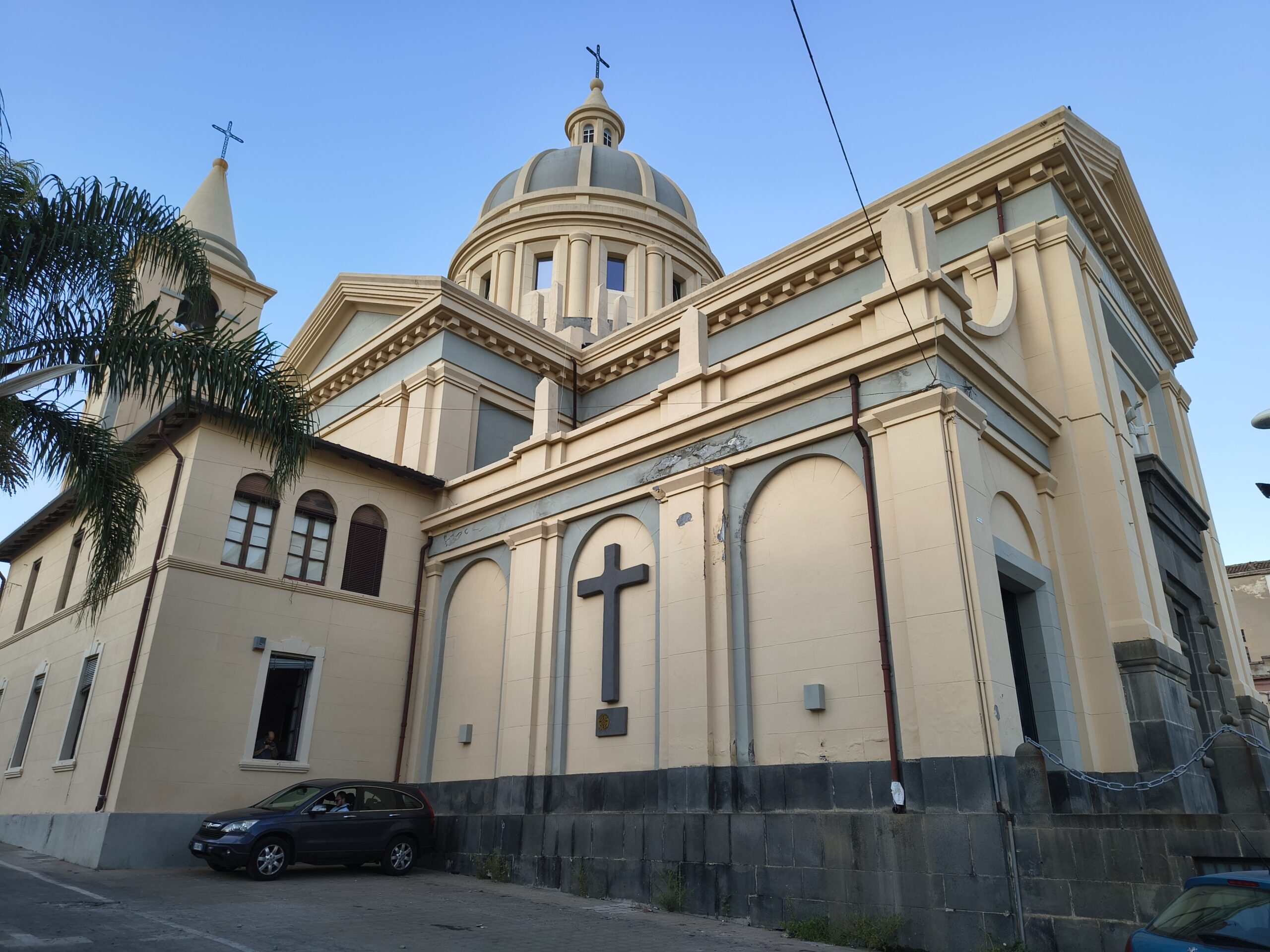
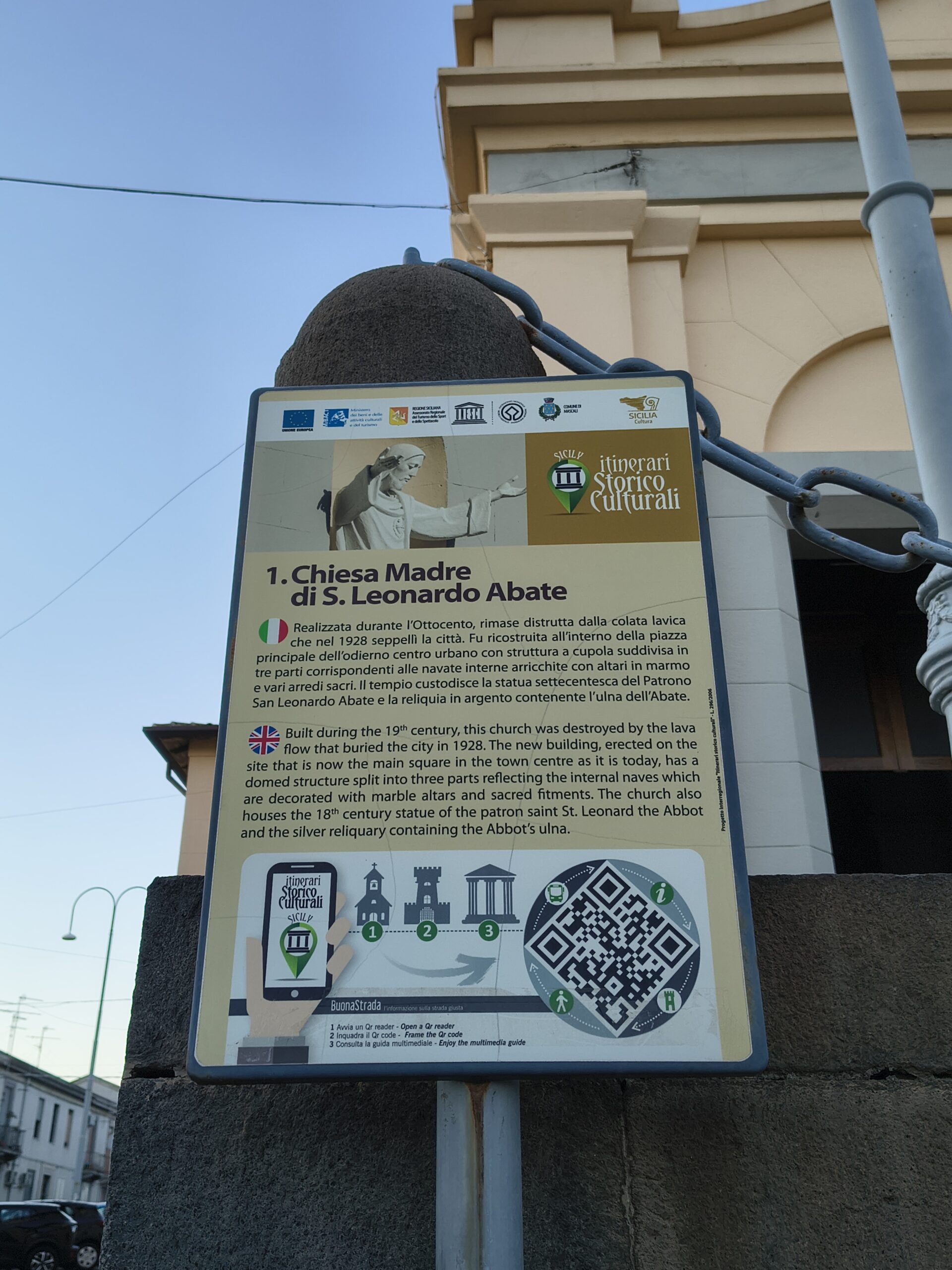
The eruption of Etna in 1928 surprised the population of Mascali during the festivities dedicated to the patron saint; the collapse of the mother church dedicated to San Leonardo on the morning of November 7 marked the end of the secular history of the Etnean center.
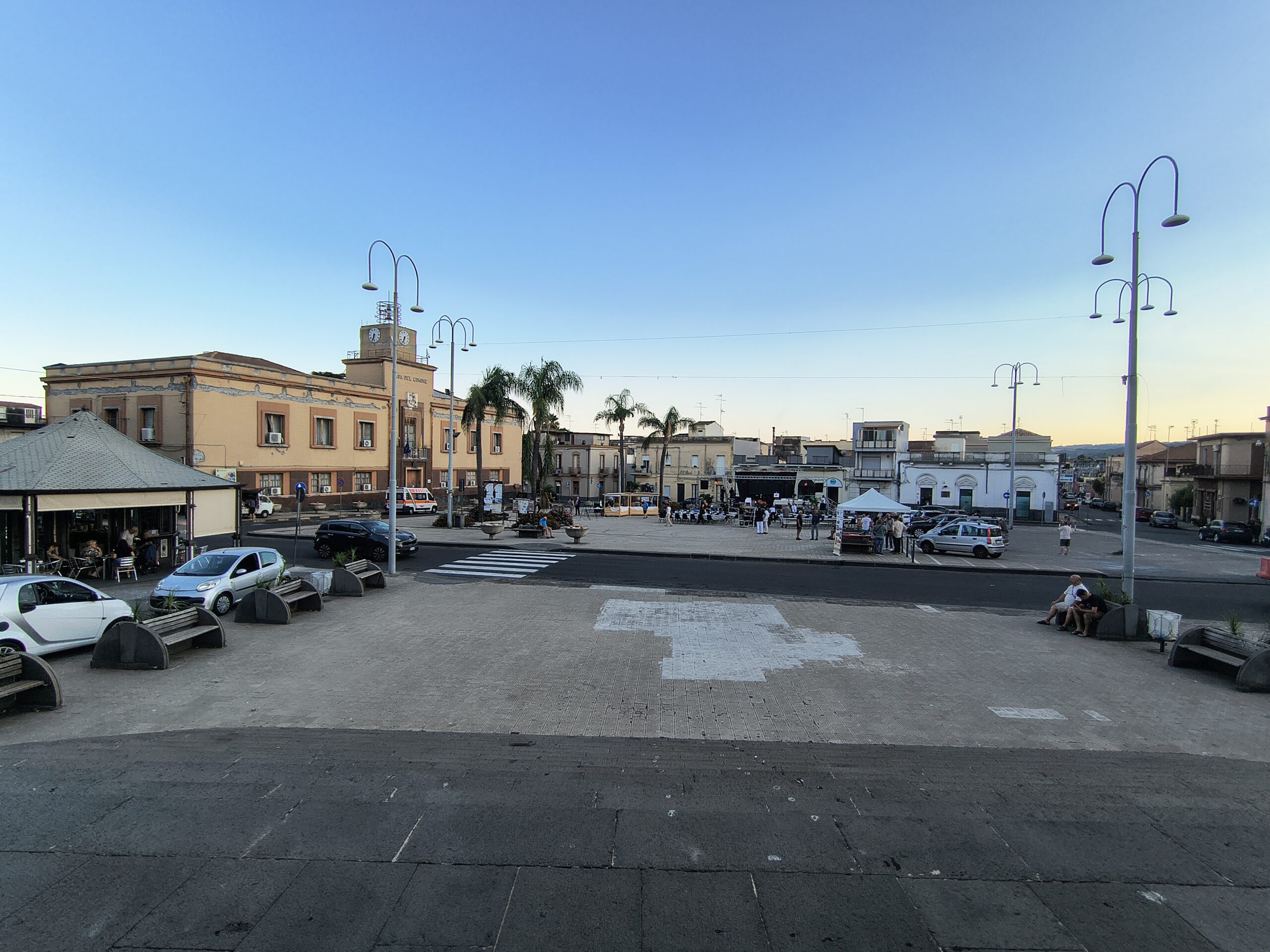
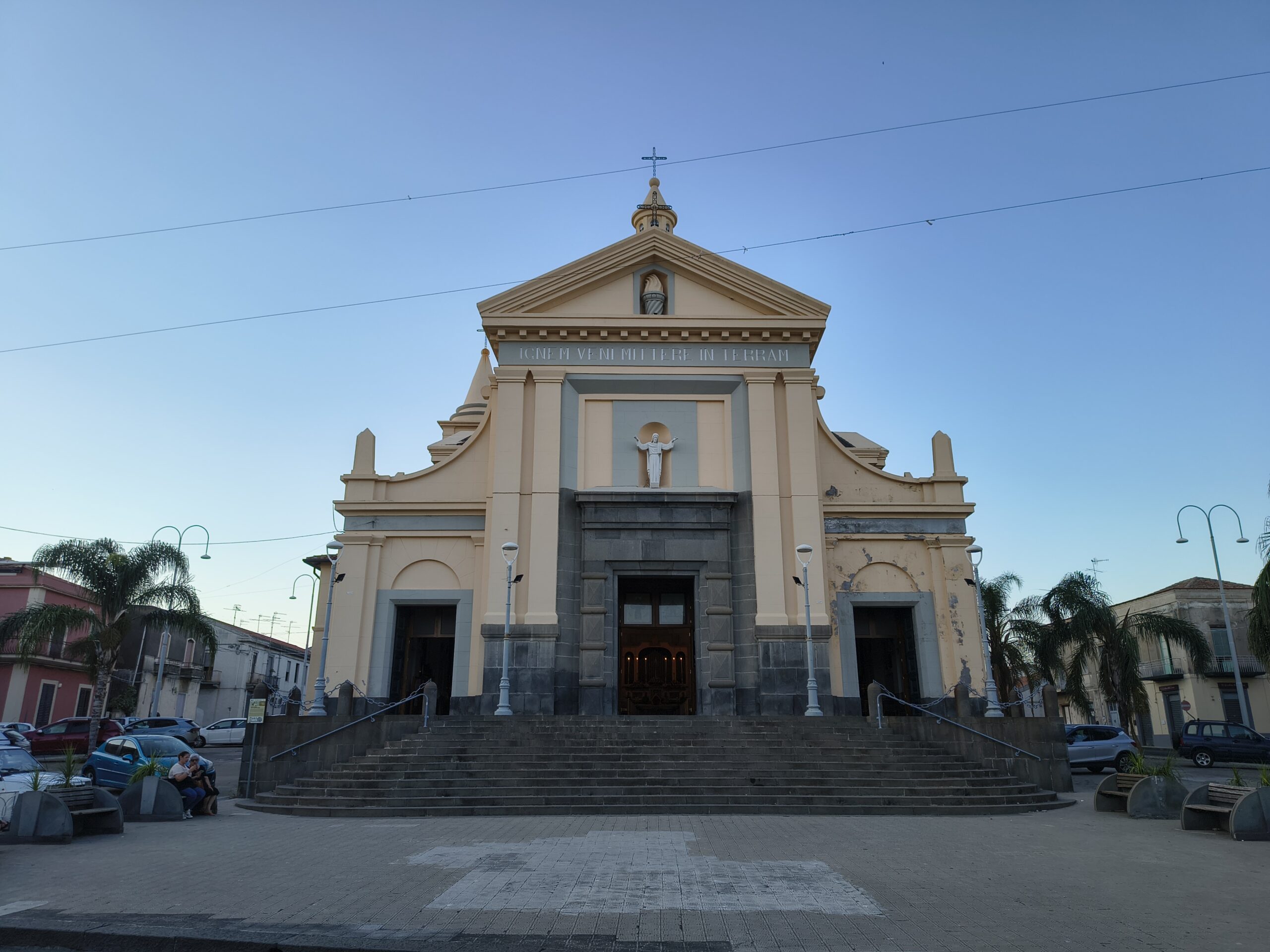
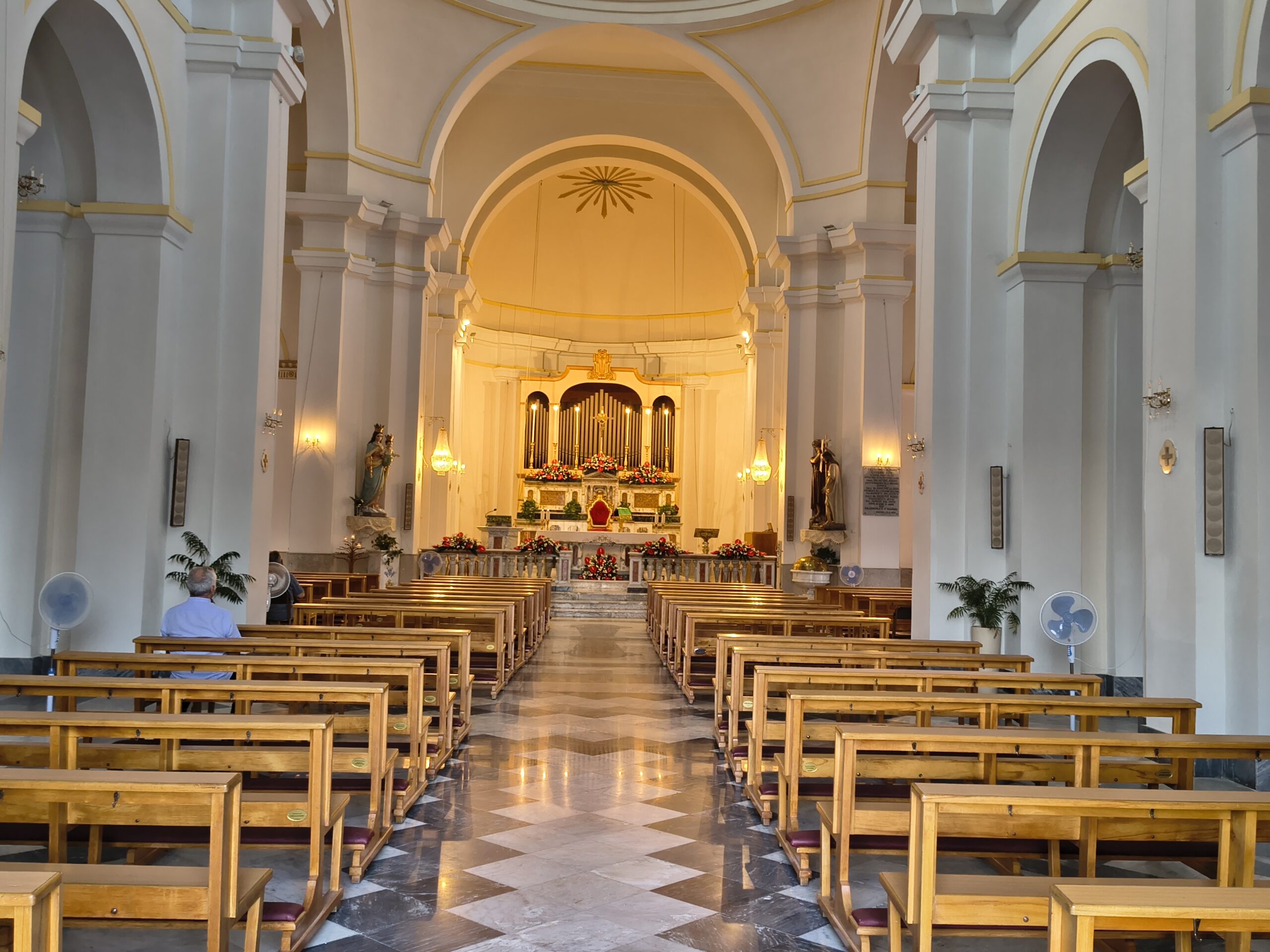
The government of the time decided to rebuild the town further downstream along the Messina – Catania state road. The planimetric scheme of the “Roman castrum” was adopted, with a grid of orthogonal streets interrupted by three large squares overlooked by the main public buildings—Church, Town Hall, School—all designed by the architect Camillo Autore, a pupil of the famous Ernesto Basile.
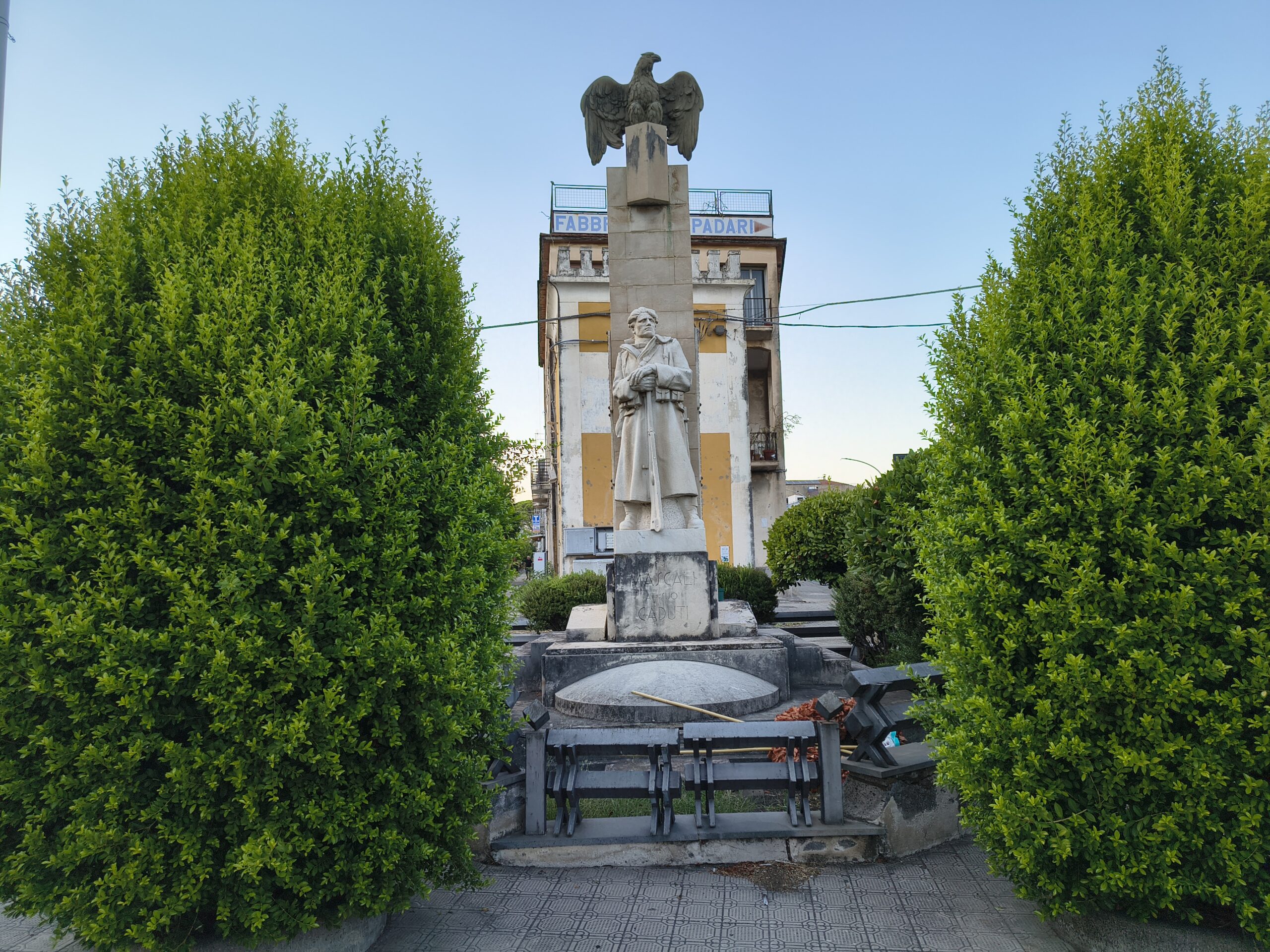
The reconstruction of Mascali, a unique example in Sicily of a Fascist foundation city, like the centers of the Agro Pontino in Lazio (Latina, Aprilia, Sabaudia, Pomezia, Pontinia) or in Sardinia (Carbonia), can be said to be substantially completed in 1937 when the head of the Government, Benito Mussolini, during a trip to Sicily, stopped at the town’s railway station to meet the population and personally check the progress of the works.
Tour Virtuale 360°
Come arrivare
